Pharmaceutical product labeling is a sector subject to the strictest regulatory oversight, as it is directly linked to medication safety and supply chain traceability. When sourcing labels, pharmaceutical, medical device, and health supplement manufacturers must look beyond mere print quality; they must prioritize critical technical specifications—such as material compliance, resistance to alcohol-based cleaning agents, long-term legibility, tamper-evidence, and low-migration properties. Roll-fed self-adhesive labels are the industry standard for automated pharmaceutical production lines. Anqing Hanghai Printing Co., Ltd. has served the pharmaceutical industry for years. Well-versed in the regulatory requirements for pharmaceutical labeling and backed by a rigorous quality control system, the company produces roll-fed self-adhesive labels that meet industry standards, providing pharmaceutical enterprises with stable and reliable printing and packaging solutions.
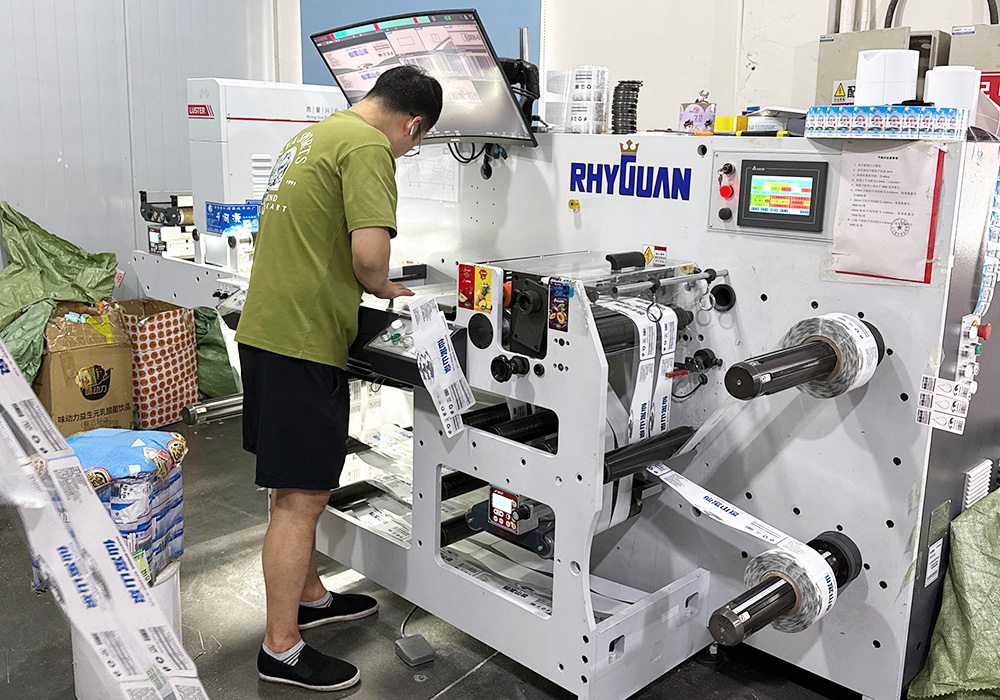
In pharmaceutical environments, roll-fed self-adhesive labels are primarily used for medicine bottles, cartons, test tubes, aluminum foil pouches, and outer-carton traceability labeling. Designed for use with high-speed automatic labeling machines, these labels are supplied in continuous rolls, featuring precise die-cutting and efficient matrix waste removal—making them ideal for assembly-line operations in cleanroom environments. The primary distinction between pharmaceutical labels and those used for consumer goods or food lies in the stringent standards applied to their materials, adhesives, and inks.
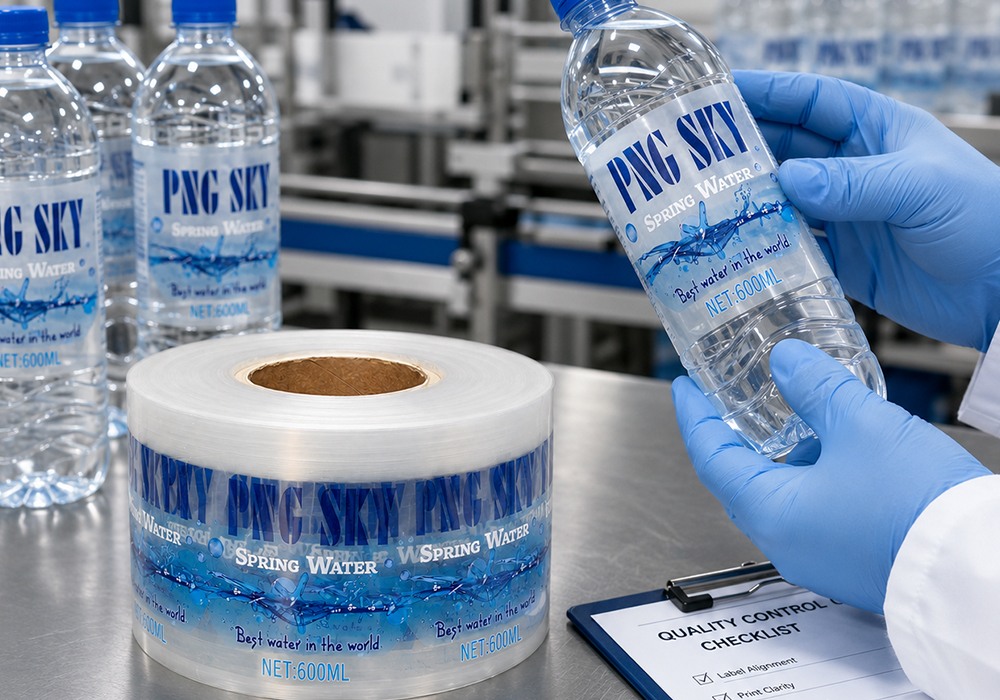
Regarding adhesives, pharmaceutical labels prioritize the use of low-migration, medical-grade acrylic adhesives. These stable formulations ensure that no chemical components migrate into or contaminate the pharmaceutical product. Furthermore, because medicine bottles and medical supplies are frequently wiped down with alcohol or disinfectant wipes, the labels must be highly resistant to these substances. Consequently, PET or synthetic film-based roll-fed labels are typically employed. The inks used are highly abrasion-resistant, ensuring that text—such as batch numbers, expiration dates, and traceability codes—remains clear and legible even after repeated wiping.
Additionally, high printing precision is essential. Pharmaceutical labels often feature small font sizes and must accommodate a wealth of information, including instructions, batch numbers, expiration dates, and traceability QR codes. This necessitates sharp, high-definition printing where even the smallest text remains legible and QR codes can be scanned reliably. The continuous roll-fed printing process offers superior registration accuracy, making it well-suited for multi-color overprinting, the reproduction of minute text, and the inclusion of densely packed QR codes. Certain pharmaceutical products require anti-counterfeiting and tamper-evident features. For these, “fragile” (brittle) tamper-evident self-adhesive labels supplied in rolls are an ideal solution; once removed, the label breaks, rendering it impossible to reuse and effectively preventing tampering.
Selection guidelines for various pharmaceutical applications: For solid oral dosage forms and bottled medications, standard BOPP or laminated coated-paper roll labels are sufficient. For in-vitro diagnostic (IVD) reagents and products requiring low-temperature storage, low-temperature-resistant synthetic paper labels should be used to ensure they remain securely attached during cold-chain transport. For operating room consumables and sterilized medical instruments, film-based labels—which can withstand sterilization processes and repeated wiping—are the preferred choice.
A note on avoiding common pitfalls: Never substitute standard food-grade labels for pharmaceutical labels. Ordinary adhesives and inks lack the necessary pharmaceutical-grade compliance and may lead to chemical migration, causing products to fail regulatory inspections. Furthermore, pharmaceutical roll labels require high-strength backing paper (liner) to withstand high-speed labeling processes in cleanroom environments; the liner must not break or shed particles, which could otherwise contaminate the production area.
Anqing Hanghai Printing specializes in the production of self-adhesive labels supplied in rolls. With standardized management and comprehensive quality control, we offer custom label solutions tailored to client specifications and regulatory requirements—ensuring precise print clarity, resistance to abrasion, and the safety of the adhesives used. If you are a pharmaceutical or medical device manufacturer in need of reliable, compliant labels compatible with automated production lines, our roll-label solutions are designed to support high-volume manufacturing and full-process traceability.